Why Your Grocery Shop is a Crystal Ball, August 2026 Inflation & Affordability Update
You might have heard people whispering over the garden fence that the world is getting too expensive and that buying a home is becoming an impossible dream. There is a common myth that once prices start going up, they never stop, and we all just fall behind. But I’m here to tell you that’s not quite the reality of what we’re seeing this August.
Think of the economy like a long-distance bicycle race. For a while, the "Inflation" bike was speeding ahead, and our "Wages" bike was puffing and panting just to keep up. When that happens, everything feels hard. But right now, the riders have swapped places.
The Price of a Pint and a Loaf Inflation is just a fancy word for how much more expensive things get over time. Imagine last year a bag of your favourite sweets cost £1.00. If inflation is at 2.8%—which is exactly where it sits today—that same bag now costs about £1.03. It sounds small, but when you add it up across your weekly shop, filling up the car with petrol, and paying the electricity bill, it changes how much money you have left at the end of the month.
The good news? Back in May, that "inflation" speed was 3.4%. It’s slowing down. Things are still getting a bit dearer, but they aren't sprinting away from us anymore.
The Magic of Extra Pennies Here is the bit that should make you smile: while the cost of things went up by 2.8%, the money people earn at work went up by 3.5% this year.
Did you know that this creates a "bonus" gap of about 0.7%? We call this positive "purchasing power." In plain English, it means that for the first time in a long while, your pay cheque is growing faster than the price of milk and bread. You actually have a little bit more "jingle" in your pocket than you did last summer.
What This Means for Your Next Move Because people are feeling a bit more comfortable, they are starting to look at moving house again. The bank's "interest rate" (the fee they charge you to borrow money) has stayed steady at 3.75%. Because pay is up and inflation is down, the "Affordability Signal" is turning green. It’s becoming easier for a normal family to prove to a bank that they can afford a mortgage.
The average price of a home across the country is now £287,003. While that’s a little higher than last month, the fact that our wages are growing faster than inflation means that "mountain" of a house price doesn't look quite so steep to climb anymore.
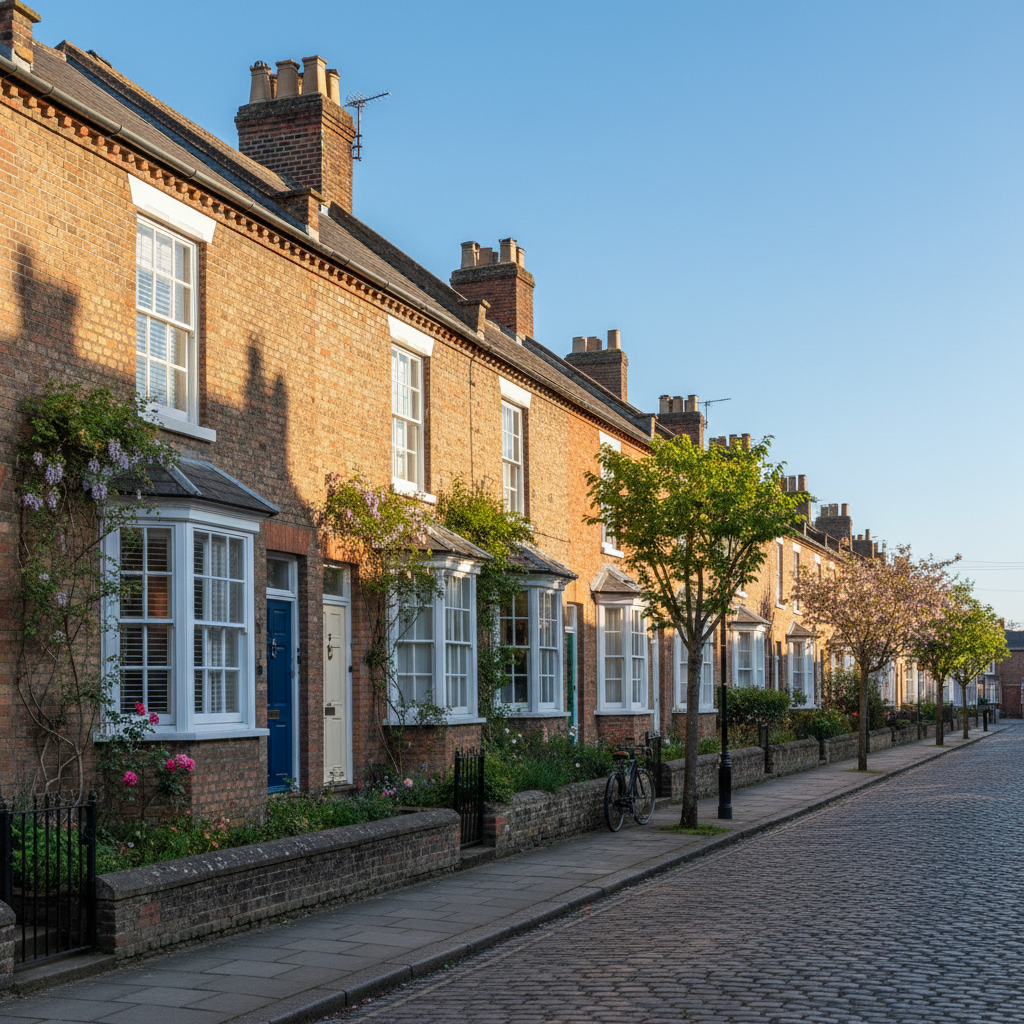
Bringing it Home to null You might wonder how these big national numbers affect us here in the null postcode sector. Well, when people nationally feel wealthier, they start looking for their "forever home." In null, we currently have 315 properties for sale, with an average asking price of £553,468.
Because we are currently in what we call a "Buyer's Market," people looking to move into null have more power to haggle. Sellers are seeing their homes stay on the market for an average of 435 days, which means if you have your money ready and your pay is looking healthy, you are in a fantastic position to negotiate a great deal on a local terrace or semi.
A Look at the Horizon It’s been a bit of a rollercoaster over the last few years, hasn't it? But as we look out at the rest of 2026, the see-saw is finally balancing out. With more money in your pocket and prices steadying, the dream of moving to a new street isn't just a dream—it's becoming a reality for more of our neighbours every day.